But before you dive in, let’s take a moment to celebrate! A heartfelt thank you to everyone who participated in this year’s Birdathon! Thanks to the incredible energy of over 300 participants, we have raised $155,000, reaching 70% of our fundraising goal. There’s still time to support Birdathon with a donation! Click here to contribute.
And now, let’s explore the marshes – no mosquito repellent required!
30 Years of the Marsh Monitoring Program
Grab a cuppa and enjoy the science and stories behind 30 years of wetland conservation in the Great Lakes with this deep dive into the Marsh Monitoring Program’s evolution, achievements, and impact.
Step into the soundscape of northern forests where bird songs captured by remote recorders are filling data gaps, supporting programs like the Breeding Bird Atlas and the Marsh Monitoring Program. Hear how technology is changing the way we understand and protect birds.
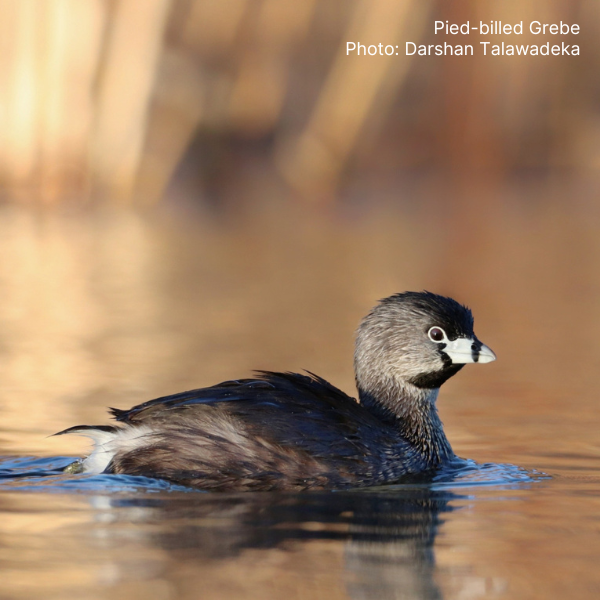
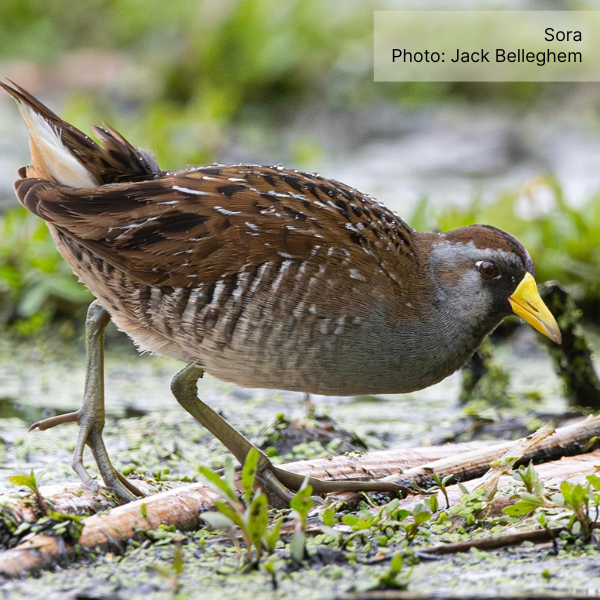
Think all marsh birds are the same? Think again. From bitterns that sway like reeds to grebes with submarine skills, these quirky wetland birds are full of surprises. Hear their calls, learn where to find them, and meet the most unique voices in Canada’s wetlands.
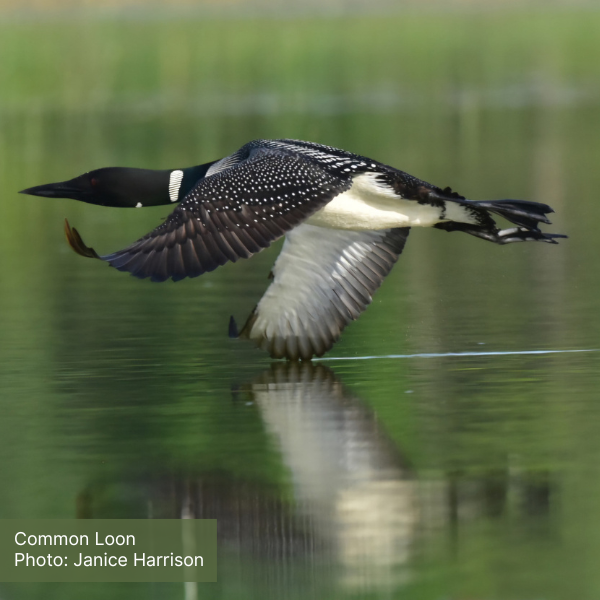
First published in 2020, this article has become a fan favourite, drawing in thousands of readers each year. Transport yourself to Canada’s lakes, exploring loon’s migratory journeys and nesting habits, the challenges they face and how we can help.
Is the White-throated Sparrow Canada’s most interesting bird?
From two colour morphs that link to a unique mating system, to the way that their song periodically changes and spreads through the population, White-throated Sparrows might be our most interesting bird– what do you think?
If you missed the MarshWatch webinar series this year, don’t fret—catch up with the YouTube video recordings that teach you to identify wetland birds and amphibians. Each session blends expert tips with real soundscapes, helping you build confidence when birding around wetlands.
📌 Marsh Monitors track the presence and abundance of marsh birds and amphibians. Data collected is used to guide wetland conservation actions. Get involved!
📌 Canadian Nightjar Survey volunteers across Quebec conduct roadside surveys at dusk, once per year between June 15 and July 15. The team are looking for others to join for this upcoming season.
📌 Canadian Lakes Loon Survey helps us assess the long-term health of Common Loons and the Canadian lakes they depend on. Join as a surveyor and spend time observing loons at your favourite lake.
Latest Research
Big leaps for frogs: Birds Canada monitors marsh birds and frogs in a unified effort to conserve Great Lakes wetlands. Two recent studies help us achieve this. In the first-ever Great Lakes-wide analysis of its kind (1 below), Birds Canada staff and colleagues show that some, but not all, frog species have stable populations in shoreline wetlands around the lakes, despite extensive threats, stressors and habitat loss. The conclusion: to prevent species declines, further wetland restoration is needed, such as improving water quality and restoring surrounding natural uplands. And based on data supplied by the Great Lakes Marsh Monitoring Program delivered by Birds Canada (2 below), scientists at the University of Waterloo in Ontario have developed a much-needed tool for measuring just how lethal vehicle traffic is for frogs. According to the study, when frogs travel overland away from wetlands, as they often do for a variety of reasons, their chances of surviving diminish to nearly zero after only a couple of kilometres through heavily urban-dominated areas (yikes!). With these two authoritative sources of information in hand, Birds Canada and our partners are now in a better position to protect and conserve high-quality wetlands that frogs (and birds!) (and people!) need to thrive.
June is the perfect time to visit the rich, lively wetlands that so many birds call home. This month’s newsletter is a full immersion into marsh magic! From celebrating 30 years of marsh monitoring (MMP), to meeting some quirky species that rely on these habitats, there’s plenty to explore. You’ll find a new blog that looks at remote monitoring using autonomous recording units (ARUs), and we bring back a loony old favourite. Wade deeper and you’ll find a fresh podcast episode and updated MarshWatch videos to brush up on your marshbird identification.But before you dive in, let’s take a moment to celebrate! A heartfelt thank you to everyone who participated in this year’s Birdathon! Thanks to the incredible energy of over 300 participants, we have raised $155,000, reaching 70% of our fundraising goal. There’s still time to support Birdathon with a donation! Click here to contribute.
And now, let’s explore the marshes – no mosquito repellent required!
30 Years of the Marsh Monitoring Program
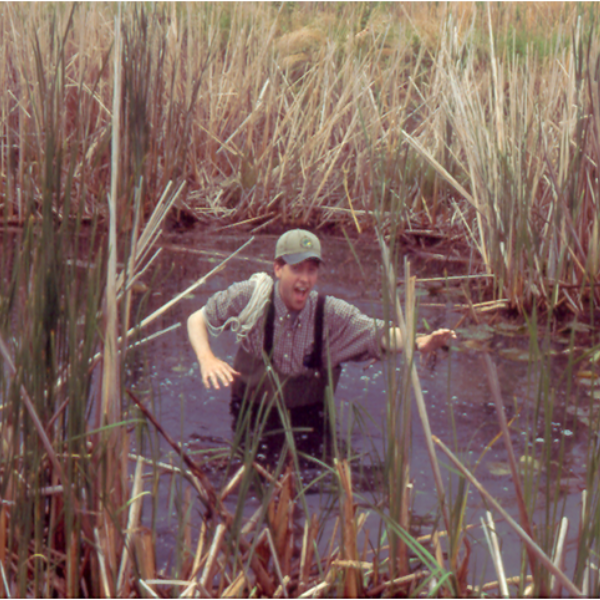
Grab a cuppa and enjoy the science and stories behind 30 years of wetland conservation in the Great Lakes with this deep dive into the Marsh Monitoring Program’s evolution, achievements, and impact.
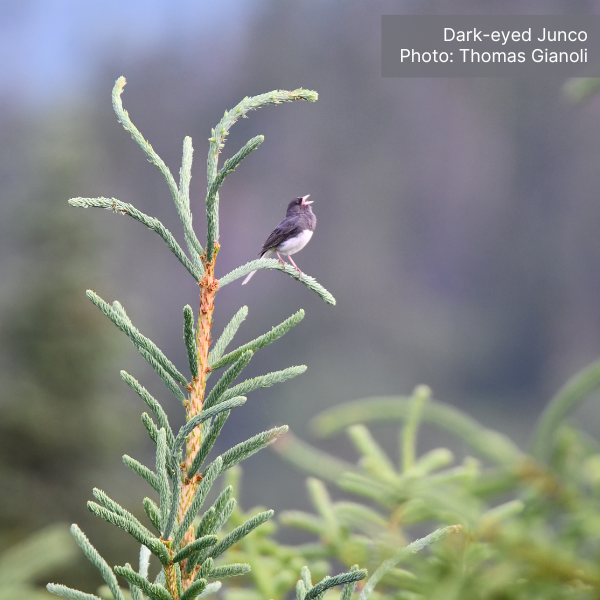
Step into the soundscape of northern forests where bird songs captured by remote recorders are filling data gaps, supporting programs like the Breeding Bird Atlas and the Marsh Monitoring Program. Hear how technology is changing the way we understand and protect birds.
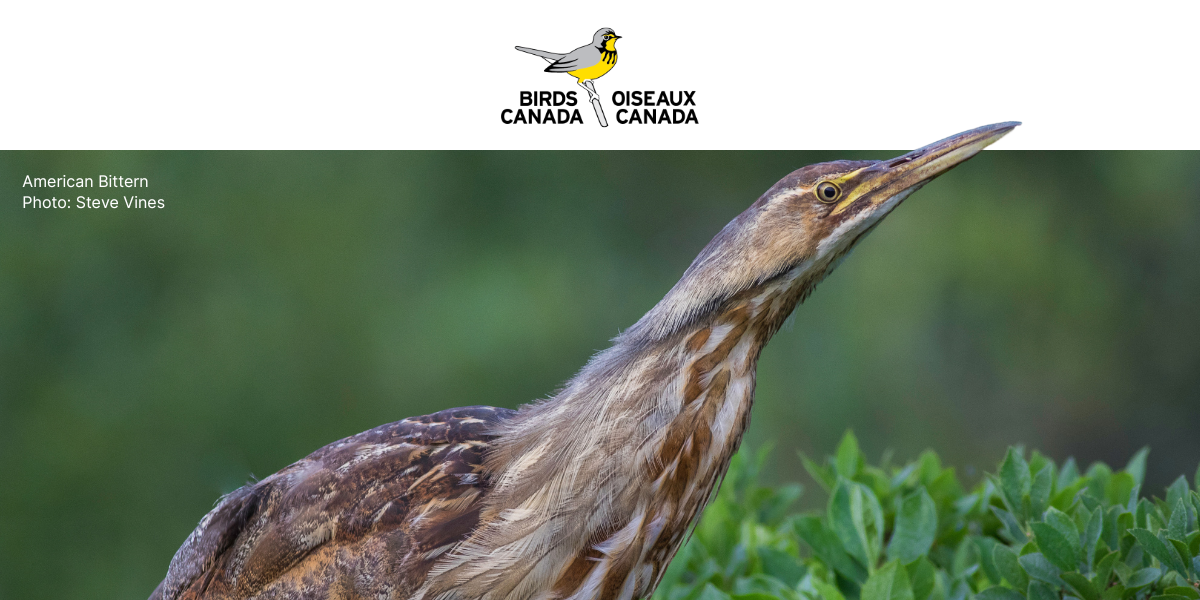
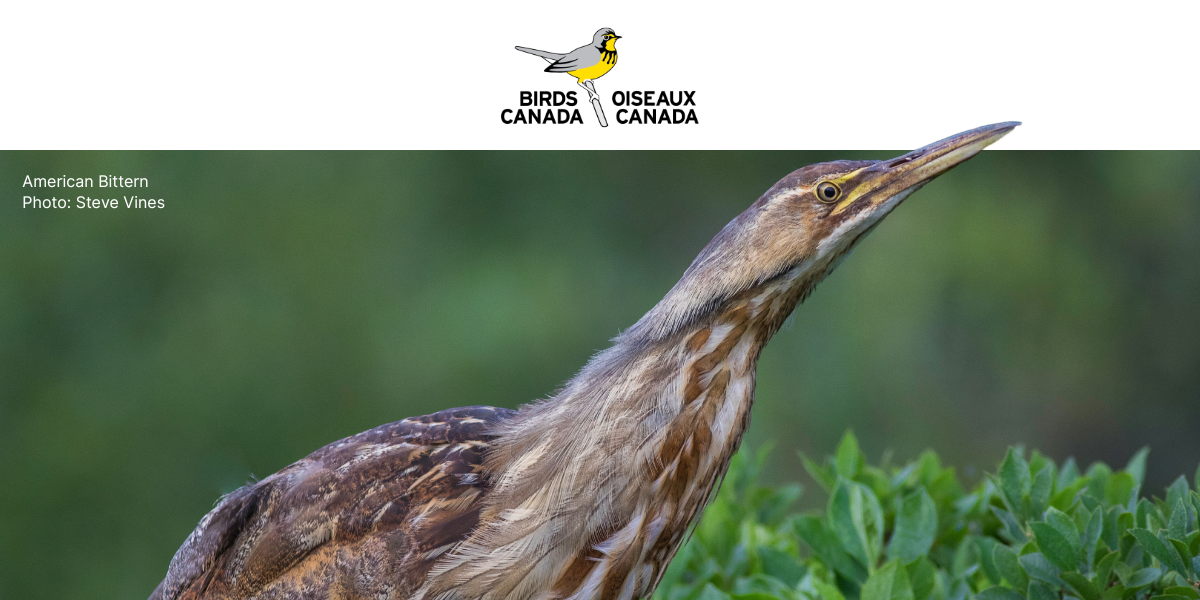
Think all marsh birds are the same? Think again. From bitterns that sway like reeds to grebes with submarine skills, these quirky wetland birds are full of surprises. Hear their calls, learn where to find them, and meet the most unique voices in Canada’s wetlands.
First published in 2020, this article has become a fan favourite, drawing in thousands of readers each year. Transport yourself to Canada’s lakes, exploring loon’s migratory journeys and nesting habits, the challenges they face and how we can help.
Is the White-throated Sparrow Canada’s most interesting bird?
From two colour morphs that link to a unique mating system, to the way that their song periodically changes and spreads through the population, White-throated Sparrows might be our most interesting bird– what do you think?
If you missed the MarshWatch webinar series this year, don’t fret—catch up with the YouTube video recordings that teach you to identify wetland birds and amphibians. Each session blends expert tips with real soundscapes, helping you build confidence when birding around wetlands.
📌 Marsh Monitors track the presence and abundance of marsh birds and amphibians. Data collected is used to guide wetland conservation actions. Get involved!
📌 Canadian Nightjar Survey volunteers across Quebec conduct roadside surveys at dusk, once per year between June 15 and July 15. The team are looking for others to join for this upcoming season.
📌 Canadian Lakes Loon Survey helps us assess the long-term health of Common Loons and the Canadian lakes they depend on. Join as a surveyor and spend time observing loons at your favourite lake.
Latest Research
Big leaps for frogs: Birds Canada monitors marsh birds and frogs in a unified effort to conserve Great Lakes wetlands. Two recent studies help us achieve this. In the first-ever Great Lakes-wide analysis of its kind (1 below), Birds Canada staff and colleagues show that some, but not all, frog species have stable populations in shoreline wetlands around the lakes, despite extensive threats, stressors and habitat loss. The conclusion: to prevent species declines, further wetland restoration is needed, such as improving water quality and restoring surrounding natural uplands. And based on data supplied by the Great Lakes Marsh Monitoring Program delivered by Birds Canada (2 below), scientists at the University of Waterloo in Ontario have developed a much-needed tool for measuring just how lethal vehicle traffic is for frogs. According to the study, when frogs travel overland away from wetlands, as they often do for a variety of reasons, their chances of surviving diminish to nearly zero after only a couple of kilometres through heavily urban-dominated areas (yikes!). With these two authoritative sources of information in hand, Birds Canada and our partners are now in a better position to protect and conserve high-quality wetlands that frogs (and birds!) (and people!) need to thrive.